

Hospitals and clinics
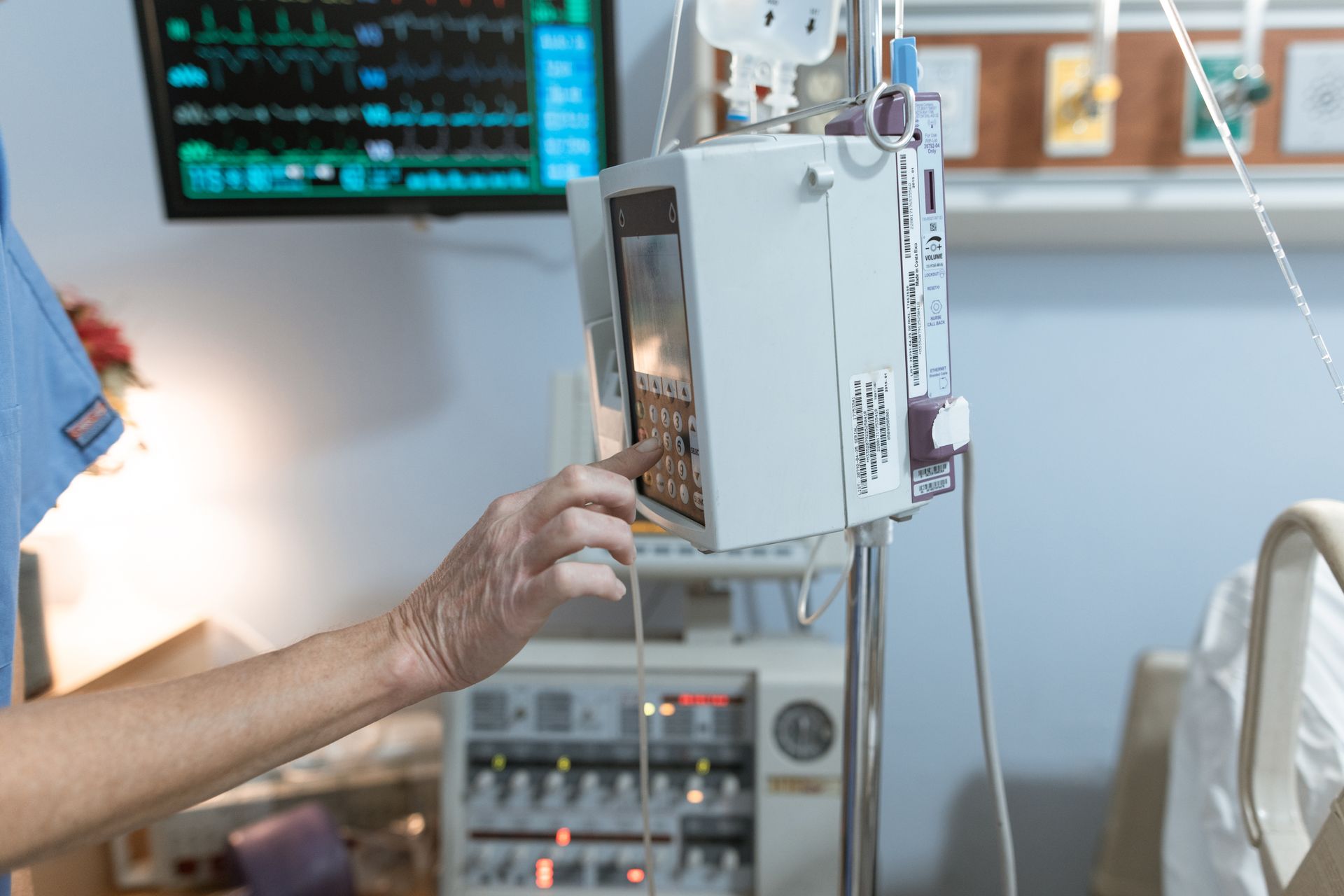
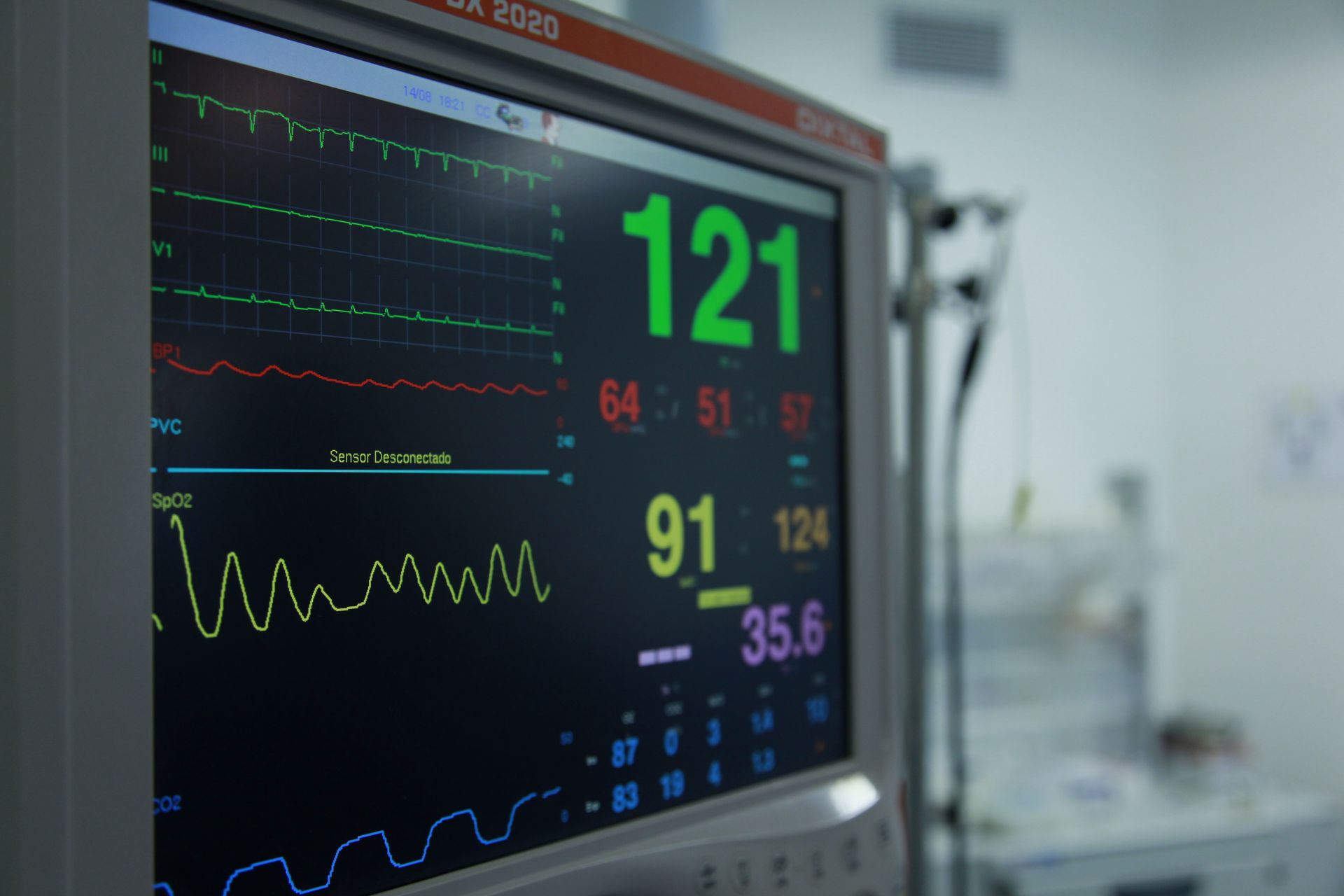
Infusion pumps, ventilators, sterilisers, monitors. Every device carries its own procedure, its own interval and its whole service history — on one ward, or across every site at once.
Ncore turns your maintenance procedures into a day’s work orders, puts them on the tablet the operator already has, and keeps what was signed — so when an inspector asks what was done to a machine last March, the answer takes seconds.
Every step an operator ticks carries who did it, when, and on which machine.
The day’s work orders appear each morning out of procedures you wrote once.
Write a procedure once and give each facility the variant it needs.
A browser is enough. Nothing to install, and no licence counted per head.
An infusion pump, a dental autoclave, a laboratory freezer and a compressor in a plant room are one problem to this system: a piece of equipment with a written procedure attached, an interval it has to be done on, and somebody who has to be able to show that it was. The protocols are yours and the rules are whichever ones apply to you — what Ncore does is run them on time and keep the signed record they ask for.
Infusion pumps, ventilators, sterilisers, monitors. Every device carries its own procedure, its own interval and its whole service history — on one ward, or across every site at once.
Autoclaves, chairs, compressors, imaging. The daily and weekly checks a surgery runs on, ticked off chairside on the tablet that is already there.
Fridge and freezer temperatures, incubators, calibrated instruments. Readings are kept against the instrument itself, and the ones outside their limits surface without being asked for.
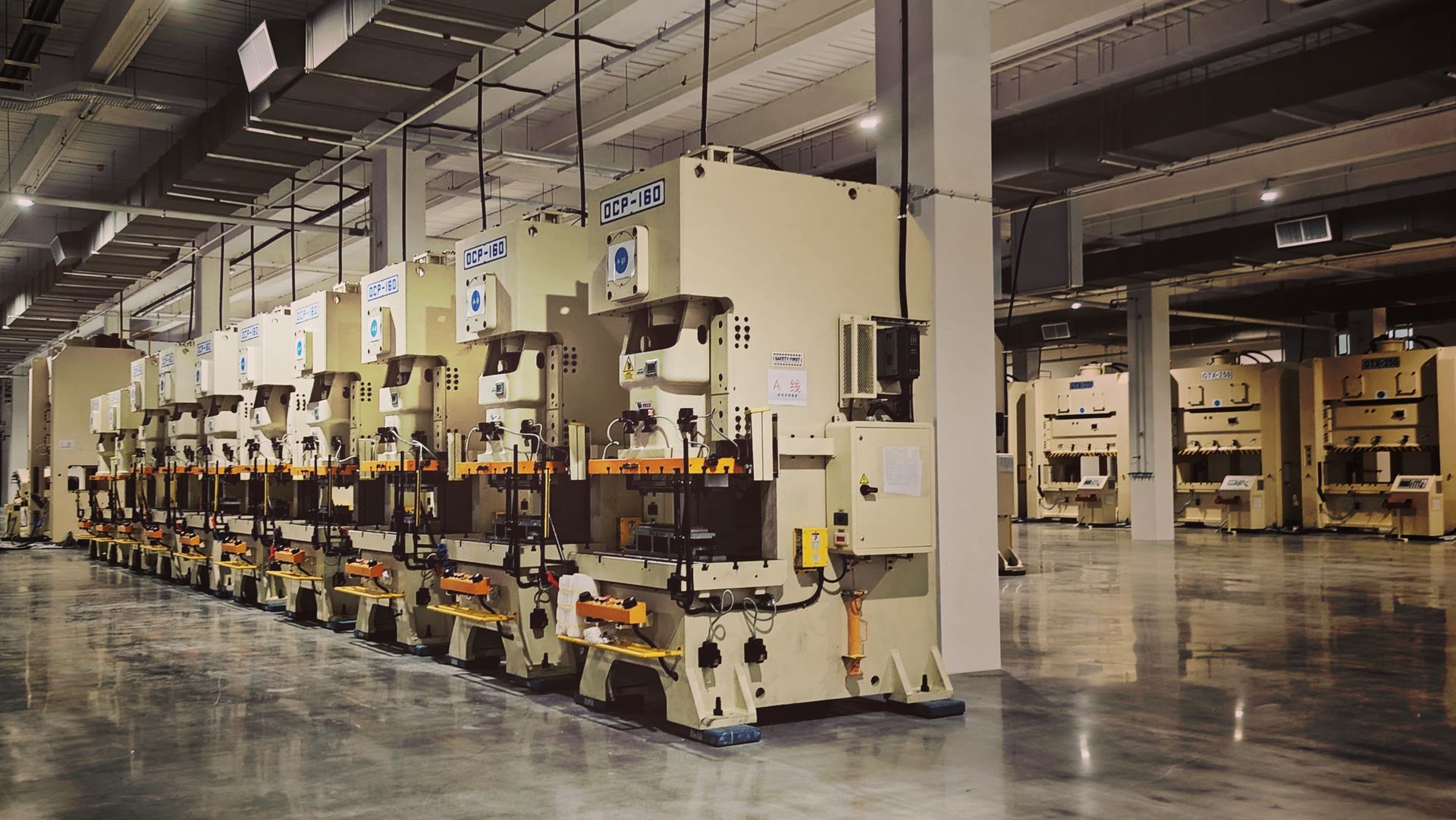
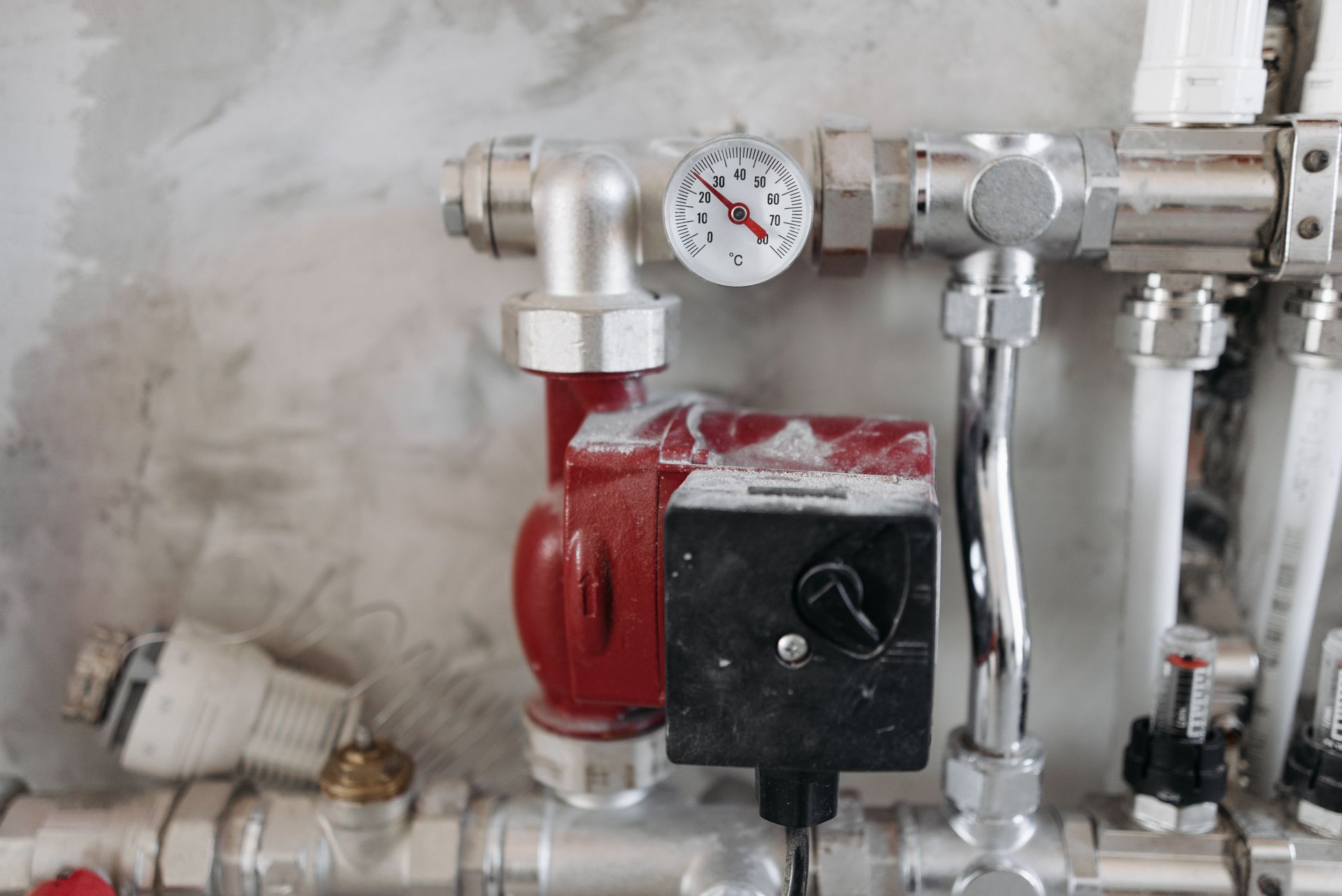
Boilers, pumps, presses, lifts. The plant maintenance the system was built for, working exactly as it did before.
A procedure is written once, as a template: the steps in the order they are done, the readings to take, the checks to tick, and the piece of equipment each one is about. From then on the system holds it the way the binder used to — except it also knows whose job it is this morning, and what was signed the last time round.
An operator ticking a step on a tablet, a SCADA system or historian pushing readings over the API, a figure typed in by hand at a desk — they all arrive against the same machine, in the same units, on one timeline. What the plant already measures does not have to be measured a second time to get in here.
Collected readings stop being rows in a log and become a picture: what is drifting towards its limit, what is late, what is standing still, and which machine is going to need somebody this week. That is the difference between a measure taken in advance and a phone call at three in the morning.
Hundreds of ready-made procedures across multiple industries, written the way the trade writes them — not a checklist with your logo on it. Pick one, and it opens in the editor as yours to change.
The library is part of the Multi edition and up, and four sample procedures are open to every trial. On Single you write your own — as many as the edition holds. Compare all editions →
See the libraryA calendar knows what day it is. It does not know that a pump has run five hundred hours since its last service, or that the control system raised an alarm at three in the morning. A trigger knows — and it opens the work order while the shift that needs it is still on.
This is a list of what the application does today, not what it is planned to do.
Templates carry their own schedule — daily, weekly, monthly, yearly. Every morning the day’s work orders exist, at the plant’s own midnight. If a day is missed, catch-up fills it in.
Build a procedure as a flow of steps, readings and checks on a canvas, and bind each step to the equipment it belongs to.
Identity, documents, readings, faults and service history in one place — so a machine’s history outlives the person who remembers it.
Statutory periodic inspections recorded with finding, evidence and dates, ready for whoever asks to see them.
Done on time, still open, how late, downtime, MTBF — per machine, per site, or across the whole company.
A REST API and keyed ingest for readings a PLC or historian already holds, so nobody types the same number twice.
From a procedure in a binder to a signature on a tablet.
The SOP that lives in a binder becomes a template: the steps, the readings to take, the equipment it applies to and how often it comes round.
At the plant’s own midnight the day’s work orders are generated and put in front of the right group.
On a tablet in the plant, step by step, with readings and photographs where they matter. What is signed is kept.
Every edition does everything the product does. What separates them is size — how many facilities, machines and procedures the edition is built for, and how much work goes through it in a month.
Tell us what you run and who runs it. Every request is read by a person and answered the same working day — and the 3 days start when we say yes, not when you fill the form in.
Request a trial